Last season, our servers told us something we didn't want to hear.
Not a failure. Not a crisis. But a warning. A signal that as our Community grew, and onsales became more frequent and more demanding, the infrastructure underneath our websites needed to move with it. So we got to work.
Most digital platforms were never built for it. They were designed for the kind of traffic that builds gradually – an e-commerce site gaining traction, a blog slowly picking up readers. Arts and culture doesn't work like that. A single onsale can bring a year's worth of peak traffic in a matter of minutes. And then it's gone. Until the next one.
That asymmetry is what these upgrades to the CultureSuite CMS are designed to address.
Built for the sector's reality
CultureSuite CMS is used by over 125 venues across eight countries. As that Community has grown, so has the variety and frequency of concurrent onsales. Multiple venues holding high-demand sales at the same time is increasingly the norm.
That growth put a spotlight on some important truths about where performance pressure builds. Not in the sheer number of visitors arriving at a website, but in the specific, resource-intensive processes – such as looking for a particular performance via the search bar – those visitors trigger when they do.
We've written previously about how our hosting infrastructure handles the kind of sudden traffic spikes that are unique to this sector. These latest upgrades build significantly on that foundation.
Three upgrades. One goal. A website that stays calm when things get busy.
A dedicated search engine
When an onsale opens, audiences don't just arrive. They search. More often than not, they’re looking for a specific event. And that search function places a substantial demand on a website's servers.
Until April 2026, CultureSuite's search ran on the same infrastructure as the rest of the website. During a high-pressure onsale, that created a direct conflict: the same capacity needed to process ticket purchases was also handling hundreds of simultaneous search queries.
The fix was to separate them. We’ve built a dedicated search engine, using independent indexing servers that run entirely apart from the main website. Content from the platform syncs to it automatically, keeping it current.
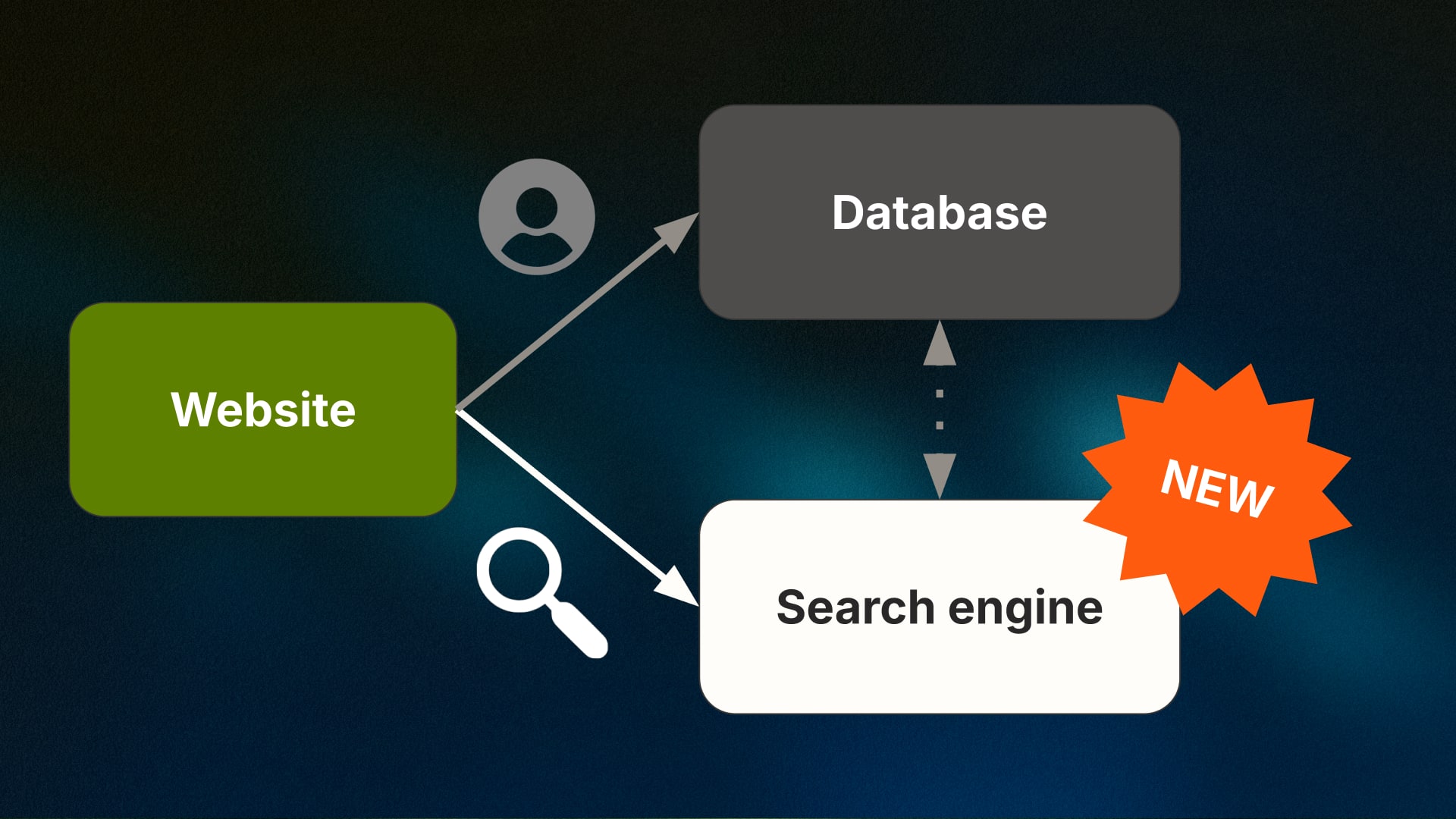
When a visitor searches, the query goes to the search engine, not the website's database. The website itself stays focused on what matters most in that moment: processing sales.
The result is a platform that holds its stability under pressure. It won't see its performance eaten into by search traffic at the exact moment it can least afford it. That's what we shipped in April via Release 228 of CultureSuite.
The new search engine also brings faster, smarter results – including improvements to event filtering and search accuracy. We'll cover those in a separate article soon.
A dedicated queue environment
For venues with high-demand events, CultureSuite's queue system plays a critical role: managing the flow of patrons onto the website in a controlled, steady stream rather than allowing thousands through at once.
But previously, the queue ran within the same website environment. Managing a large queue – tracking sessions, calculating wait times, deciding who gets through – is a resource-intensive job. During a busy onsale, that process was competing with the website for the same server capacity. The people waiting in the queue were, in effect, adding load that affected the experience of everyone already on the site.
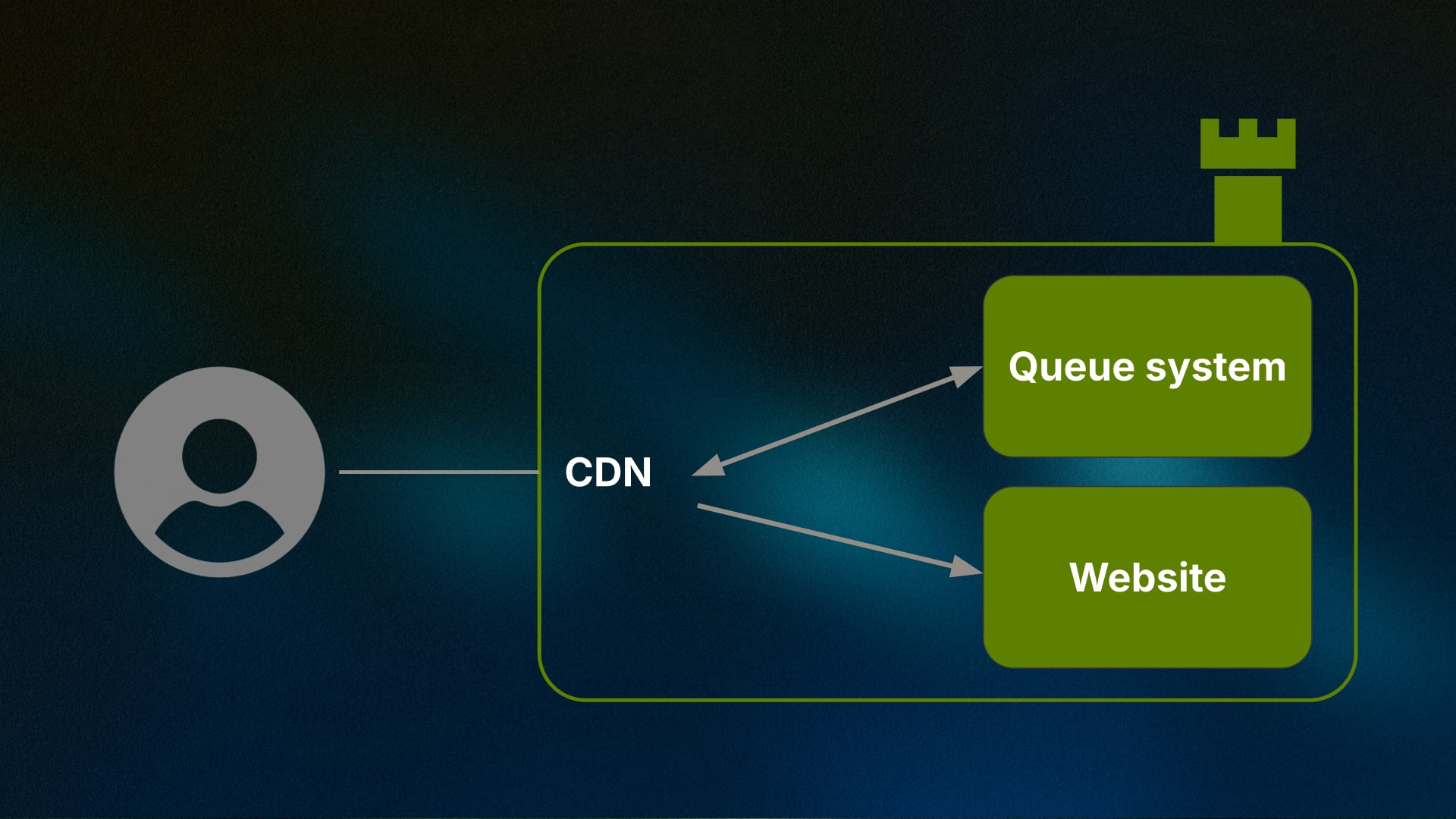
The new queue system runs in its own entirely separate environment. So the website only ever sees visitors who've already been cleared to enter. However many thousands are waiting, the website doesn't know about it. And doesn't need to.
This is phase one. Phase two – coming later in 2026– will automate the queue entirely, removing the need for any manual configuration from venues.
CDN rollout across every client
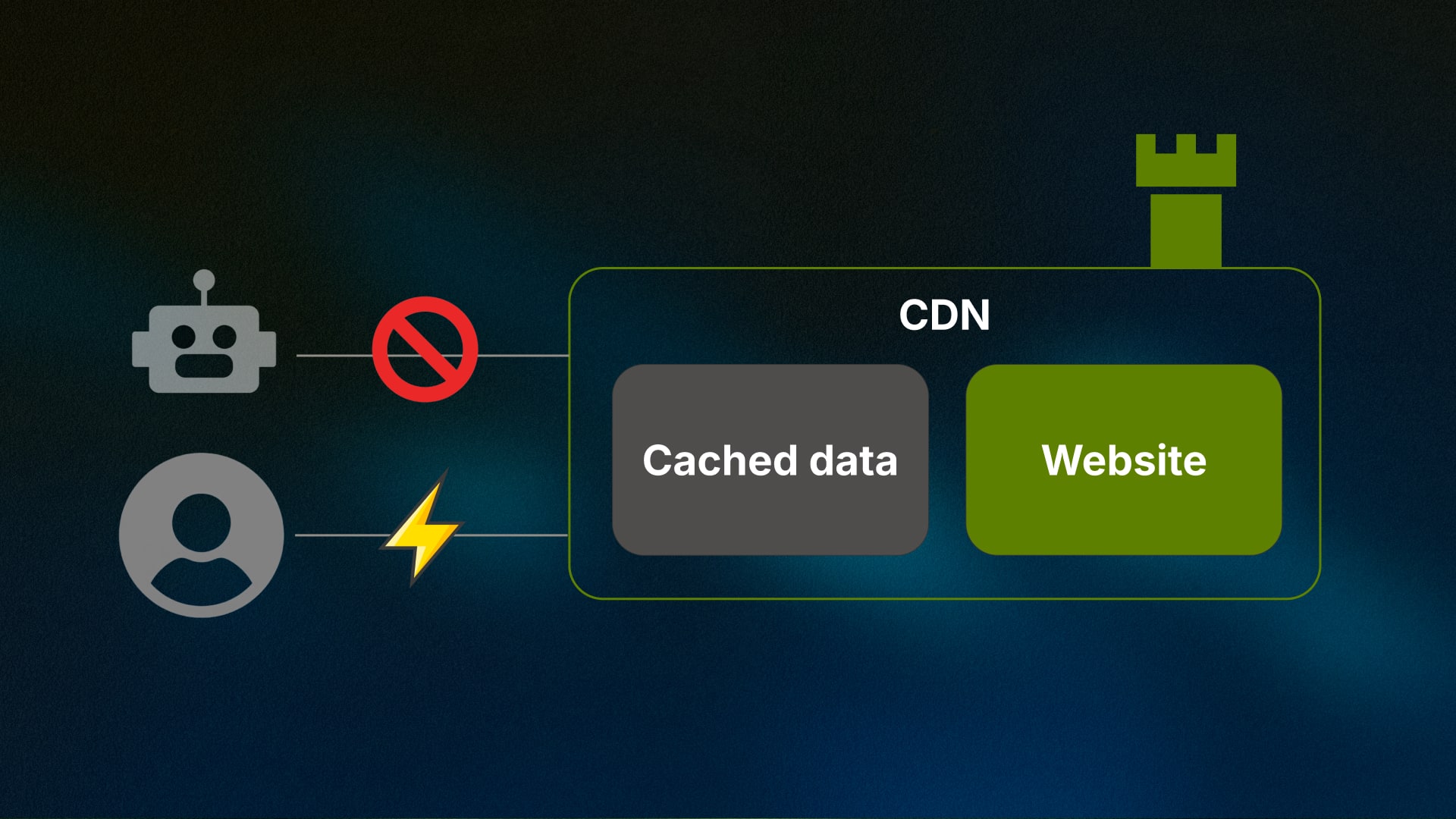
A Content Delivery Network (CDN) sits in front of a website and serves cached content from servers located close to the visitor. The practical effects are twofold: faster page loads, and a meaningful layer of protection against malicious traffic.
CultureSuite has used CDN technology previously for specific clients where geographic distance made it a priority. This new development means that every venue on CultureSuite's platform will now have their own CDN – no exceptions.
What that means in practice:
Faster websites, for every visitor. Page content is cached and served locally, regardless of where in the world a visitor is accessing from. Data doesn't have to travel from a server in the Netherlands before the page can load.
Better protection against bots and suspicious traffic. Every CDN includes a base layer of security. It filters out known malicious traffic before it ever reaches your website, and reduces unnecessary load – offering a meaningful first line of defence.
More capacity for real visitors. Blocking illegitimate traffic reduces the overall load on the website, freeing up server capacity for the patrons who actually matter.
Optional: enhanced security with Shield. For venues that want deeper protection against more sophisticated bot activity, scalping tools, and targeted attacks: Shield is available as a paid optional add-on. Built on enterprise-grade security infrastructure, it adds a more comprehensive layer of traffic analysis and threat mitigation.
The CDN rollout is already underway, beginning with venues where CultureSuite manages the domain, and will extend across the full Community over the course of 2026.
What the 2026 onsales season told us
These upgrades have been tested against the real demands of one of the sector's busiest onsales periods. The results have been revealing.
The new search infrastructure had an immediate and measurable impact. Previously, search queries were among the heaviest and slowest requests on the entire platform – consistently sitting at the top of the list of most demanding server processes. This season, those queries are gone from that list entirely. The burden they placed on the database during high-traffic moments has been removed.
Rigorous testing of the new queue system throughout the season gave us the confidence to release it in July 2026. The results were clear: the new queue can process at least three times as many concurrent visitors as its predecessor, and because it runs entirely separately from the website, that capacity is no longer shared with the processes needed to keep the site running smoothly.
What this season also confirmed is where the real pressure point lies: not in the volume of people a website handles over the course of a sale, but in the first few seconds when the queue opens and traffic arrives all at once. By monitoring queue flows more carefully and managing the initial ramp-up, we achieved significantly more successful onsales this year than last.
What this means for cultural organisations
Almost none of these changes require anything from venue teams. No configuration. No third-party contracts to manage. No technical expertise needed on your side. The one exception is CDN setup for venues that manage their own domain. Everything else happens in the background.
Arts and culture organisations are, as a sector, stretched. Technical resource is limited. The expectation that venues should actively manage their own infrastructure – upscaling servers when demand spikes, monitoring traffic thresholds, integrating standalone queue systems at additional cost – places a burden on teams that are already doing a great deal with very little.
CultureSuite's model is built around removing that burden. Hosting, performance, security, queue management: these are things that our Community should never have to think about. They're part of the subscription. They're our responsibility.
That's a fundamentally different proposition to running on a generic CMS platform, where infrastructure decisions are made for millions of websites across every conceivable industry. In that scenario, the specific, intense demands of an arts and culture onsale are not prioritised in the way that we can – and do.
Every decision about how this platform is built is made with the sector's reality in mind: the presale spike, the concurrent onsales, the bot-driven ticket grab, the patron sitting in a queue waiting for their chance to book a show they've been anticipating for months.
That's who these upgrades are for.
What's coming next
CDN deployment is ongoing and will reach the full Community over the coming months.
The next chapter for the queue system is automation. Phase two will remove the need for any manual queue configuration entirely. Rather than venues setting their own limits, the queue will monitor the web cluster in real time – and regulate itself accordingly. If performance drops, it adjusts. If capacity opens up, it lets more people through. No manual intervention. No margin for error. That update is expected later in 2026.
This is what continuous improvement looks like in practice. Not a rebuild every few years. Not a retainer for a developer to manage it. Just a platform that gets better, so your biggest moments don't become your most stressful ones.
Your biggest onsale shouldn't be your website's biggest risk
See how CultureSuite builds and maintains websites purpose-built for arts and culture.
- Got questions about these upgrades?
Speak to your Customer Success Manager. - Discover how CultureSuite CMS could work for your
Book a personalised demo to see how CultureSuite builds websites for arts and culture organisations. - Keep exploring
Dive into more thinking on digital strategy through our articles, events and webinars, Spotify, YouTube channel or our newsletter.