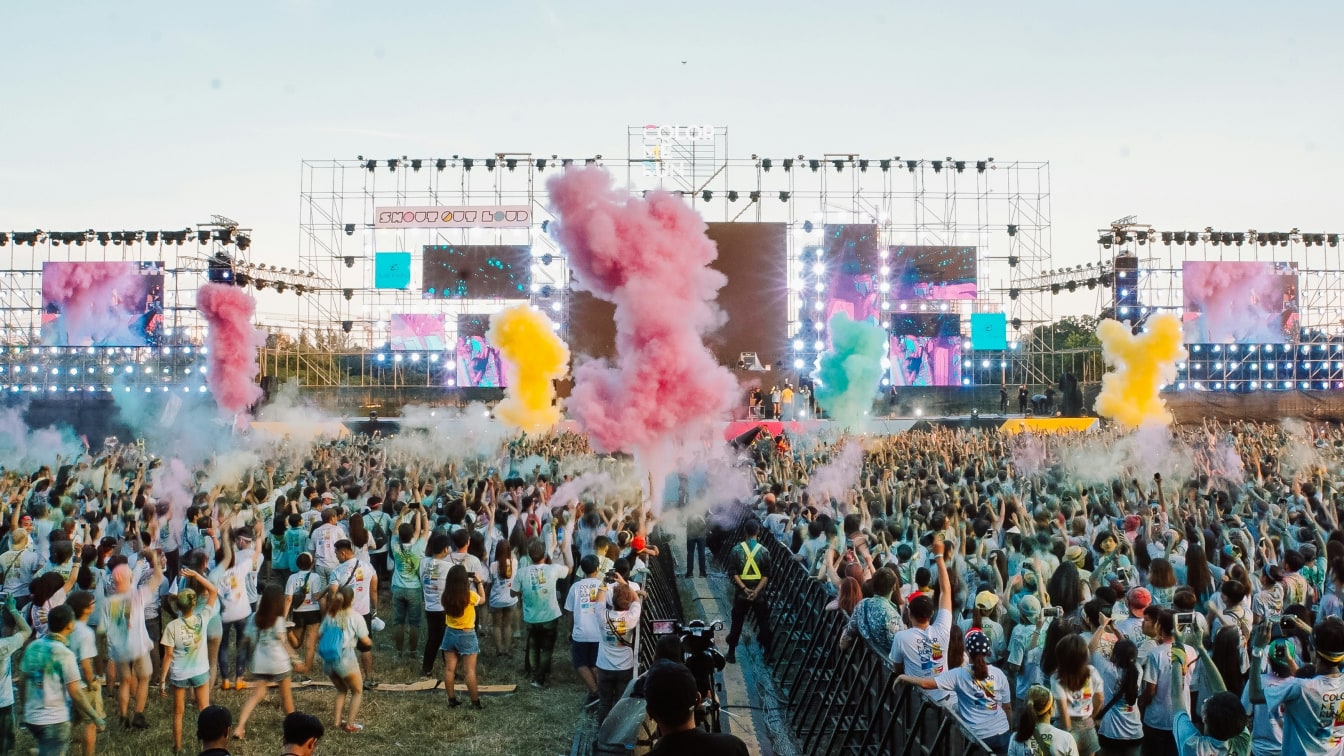
Leeds has one of the most varied local authority cultural offers in the UK. Leeds Museums & Galleries alone spans eight attractions – from country houses and a Cistercian abbey to an industrial museum housed in the world's oldest woollen mill. While Leeds Arts Events and Venues programmes the largest local authority-delivered music series in the UK, alongside Leeds International Film Festival, Leeds Young Film Festival, Carriageworks Theatre, Millennium Square, which hosts events across the year with highlights including its Summer Series and Ice Cube at Christmas, and the Leeds International Beer Festival.
All in all, Leeds’ cultural portfolio spans twenty-six brands and eighteen websites. It’s not difficult to see how such a large digital estate had gradually become unmanageable.
How it got complicated
It didn't happen overnight. Leeds Museums & Galleries moved off the council's main website in 2019 – a positive step at the time. But as customisations were layered onto a WordPress build to make it fit their needs, those customisations started working against them. Bugs compounded. Flexibility narrowed. That's the cost of asking a generic platform to do a specialist job.

Leeds Arts Events and Venues had a different problem. Their portfolio was larger and more fragmented. Although the contract was managed centrally, satellite teams ran their own websites – some on WordPress, some on entirely different platforms. The technical debt was mounting, and managing this patchwork of systems was consuming time and resource that should have been spent on engaging audiences.
Maintaining separate Tessitura integrations across a fragmented estate only added to the complexity. In 2024, the situation came to a head: Leeds Museums & Galleries' contract deadline was approaching with no appetite to renew; and the Leeds International Film Festival was on the horizon with a hard launch deadline attached to it, but the website was crumbling and out of contract.
A different kind of brief
At this point, the traditional move would have been to commission a series of separate rebuilds – one for each service, each with its own budget, its own agency, its own go-live date. That's what most organisations in this position do.
Leeds didn't do that.
Instead, Leeds Film, Leeds Museums & Galleries, and Leeds Arts Events and Venues came together with a different idea: combine budgets, streamline platforms, and find a single partner who could meet their collective needs. A partner with deep Tessitura expertise. A website platform that could serve multiple brands without multiplying costs. And an approach that would grow with them rather than age alongside them.
That search led them to CultureSuite, and to a different way of thinking about what a cultural website can be.
One platform, many identities
The solution was built around CultureSuite CMS. Rather than treating each venue as a separate project, every site runs from a single platform under a unified licence. Leeds Film looks and feels entirely different from Carriageworks Theatre, which looks different again from Millennium Square – but they're all powered by the same underlying infrastructure.

This isn't just a technical convenience. It changes how the Leeds teams work. Knowledge is shared across services. When one team learns something new, everyone benefits. Features and improvements are applied once and inherited everywhere. And because the platform connects seamlessly with Tessitura and TNEW across all properties, the customer booking journey is consistent, coherent, and no longer dependent on separate integrations held together by separate developers.
The integration also enables an "upload once" model – content created once, aggregating event data across the estate to broaden reach and engagement without duplicating effort.
The rollout was phased and deliberate:
- October 2024 – Leeds Film
- November 2024 – Leeds Museums & Galleries
- July 2025 – Leeds Ticket Hub
- Autumn 2025 – Leeds International Concert Season and Carriageworks Theatre
- 2026 – Leeds Town Hall, Millennium Square, The Christmas Experience, and more subsites in the pipeline.
The first two sites – Leeds Film and Leeds Museums & Galleries – went live in under three months.
Not every site in the Leeds estate required a full build. For organisations within the portfolio that needed a lighter-touch presence, CultureSuite offers sublicences at reduced pricing – a scaled option that still benefits from the same platform, the same integrations, and the same continuous improvements and subsites which are free. Several of Leeds' sites were delivered this way.
What it means in practice
For the Leeds teams, the shift isn't just operational. It's a different relationship with their digital infrastructure altogether.
They'd already embraced Tessitura's model of continuous software development – a platform that evolves rather than expires. CultureSuite mirrors that philosophy. New features, accessibility improvements, and platform enhancements are delivered as part of the subscription. There's no rescoping, no separate cost per site, no waiting for a rebuild to catch up with changing audience expectations.
The commercial impact reflects that. For the top three venues alone, the unified platform approach is projected to generate over £1 million in additional annual revenue – driven by improved Tessitura integration, streamlined booking journeys, and better data across the estate.

Shona Galletly, Audience Development Manager at Leeds City Council, puts it plainly:
"The idea to combine budgets and work together to streamline platforms and save money prompted a shift toward shared digital innovation. As the platform is developed collaboratively, it evolves continuously based on common requirements, reducing duplication and fostering innovation across organisations with similar needs. We recognised the huge benefits of being in that gang, and began to make the move."
The broader picture
What Leeds has built isn't just a collection of websites. It's a shared digital infrastructure for an entire cultural portfolio – one that gets stronger with every update, regardless of which team or venue initiated it.
That's the model CultureSuite was designed around. Cultural organisations already share platforms for ticketing. With CultureSuite, that same logic applies to websites.
And when cultural organisations pool resources, share infrastructure, and stop solving the same problems in isolation, the benefits don't stay within one organisation. They ripple outward – to teams, to audiences, and to a sector that’s stronger for it.
Leeds understood that. And they acted on it before the next deadline forced their hand.
Ready to rethink your digital estate?
Leeds isn't unique. Fragmented websites, mounting technical debt, and integrations that are breaking at the seams – it's a pattern we see across the sector. The good news is there's a better way.
- See how CultureSuite CMS works
Book a personalised demo to see how CultureSuite builds websites for arts and culture organisations. - Keep exploring
Dive into more thinking on digital strategy through our articles, events and webinars, Spotify, YouTube channel or our newsletter.