There’s a thrilling romanticism to rocking up at a venue, gazing up at the illuminated listings for the day, then queuing at the box office for your ticket. Indeed, box offices were often the brightest and shiniest buildings on the street.
The digital equivalent has had much less time to develop and optimise. It also has to achieve much more than a traditional box office, and in an environment where best practices can change quickly.
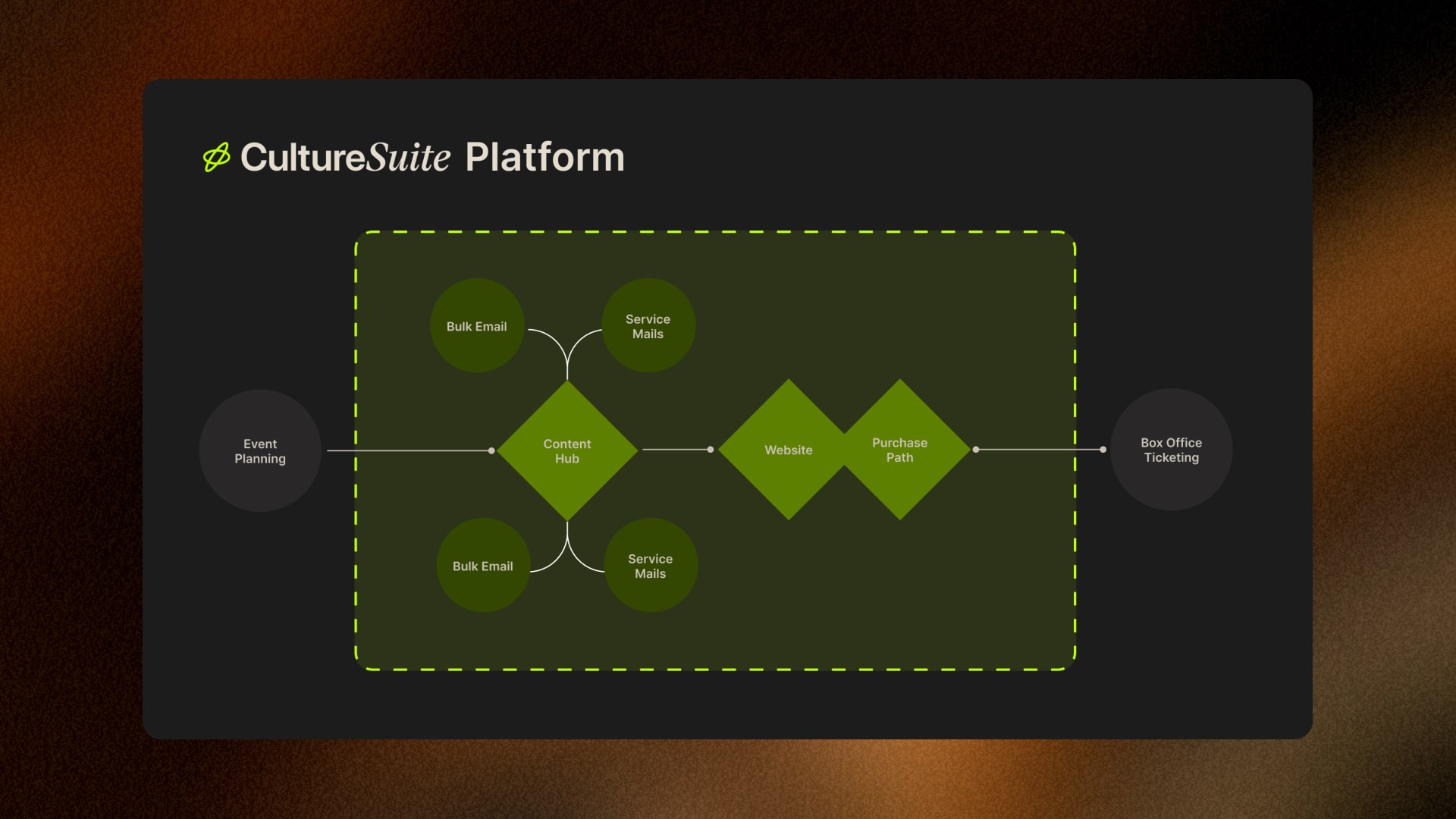
Not only do these websites need to excite visitors and help them find shows or exhibitions they're interested in, they also need to be accessible to everyone and simple enough for a small team to keep updated day to day. This is just a small sample of the jobs a live event website must handle, all within budget constraints in a sector where funding is under pressure and teams are often small.
Traditionally, this was realised with bespoke website builds every three to five years, facilitated by arts funding that came in the same cadence. We also built websites this way too, in our previous lives as After Digital and Peppered.
Founded in 2000 and based out of Rotterdam, Peppered was building websites for arts and culture organisations. Their team's expertise in integrating websites with ticketing and event management platforms helped us build a portfolio of 80 venues in Europe. Some of those venues are still with us today.
Across the North Sea in Glasgow, After Digital was doing similar work for UK and US venues. With a focus on providing strategic digital consultancy, digital marketing, design and development services, as well as being specialists in integrations, the award-winning agency worked with high-profile venues from the Honolulu Museum of Arts to the Southbank Centre in London.
Between the two teams, there’s a wealth of experience building websites and providing strategic digital consultancy for arts, culture and entertainment venues. With experience, comes wisdom.
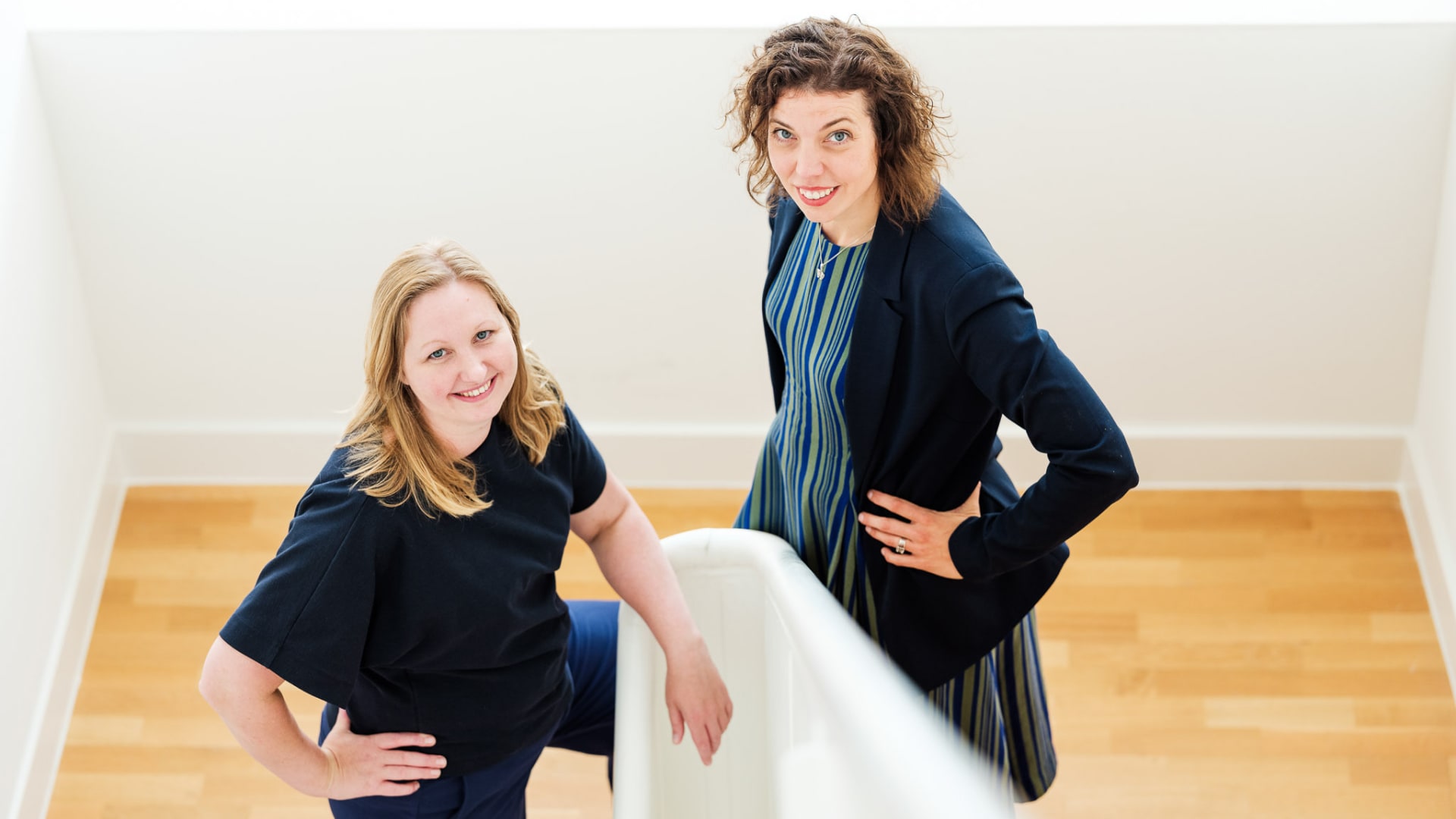
Over the years, both Peppered and After Digital noticed recurring themes and challenges for arts and culture venues; something that David Johnstone, founder of After Digital, and Coen van der Poll, founder of Peppered, bonded over when they first met at the Ticketing Professionals Conference in 2019.
But a question kept nagging at both of them: why should arts and culture venues pay a lump sum upfront, every three to five years, to build a website that's only ever as good as the day it launched? Especially when that cost often doesn't include ongoing maintenance, support, or the new features that help venues grow. Between them, no good reasons came to mind.
Over the years, this is what both of them learnt, again and again. Many website platforms, CMSs and tech stacks simply aren’t made to handle the processes required for running a website for arts and culture venues. Ticket numbers move fast during onsales, programmes change at short notice, and audiences are more diverse than a single generic homepage can serve.
Fast-moving onsales meant setting up integrations to sync ticketing data in real time. A constantly-changing programme needed flexible layouts that could keep pace. Personalisation tools became essential for engaging with diverse audiences, not just one generic homepage for everyone. And all of it had to be built again, from scratch, every single time a new website went live.
But arts and culture doesn’t need more one-off technology built with a limited shelf life. It needs technology that lasts. It needs software that teams can adapt and mould to whatever unique needs they have, invisible enough to not distract them from more important work, but powerful enough to keep up with everything a venue does.
Peppered came to this conclusion in 2015, developing an arts-and-culture-specific CMS and website infrastructure designed to handle these unique demands. Straight out of the box, it handles recurring needs in the industry, such as integration with third-party platforms, automation based on the latest ticketing data, accessibility requirements, and personalisation to optimise ticket sales.
While After Digital were still developing bespoke websites in 2019, an opportunity came up to work with Peppered on de Doelen’s website. The Glasgow-based team were looking to make websites more future-proof too, and in Peppered, they saw how the industry could benefit from an industry-specific CMS that already has all the necessary tools for venues to thrive.
Bringing together After Digital’s strategic and design expertise with Peppered technical brilliance, the collaboration was a major success. It also gave space for the two brands to ponder together about the future of arts and culture
But even in the last few years, many venues have received funding cuts which threaten their existence and the culture they bring to their communities.
That's why we merged After Digital and Peppered to form CultureSuite. Together, we share a belief that a website should evolve alongside the organisation it represents, not hold it back. We pool our collective expertise, share learnings across the globe, and help each other build for a sector that deserves better than a website it has to rebuild every few years.
That collaboration shows up most in our webinars, roundtables, and events, where venues from around the world share what's working and learn from each other.
Together, we advocate for arts and culture, and help venues thrive in an increasingly challenging landscape.
That belief is what drives CultureSuite today. Every venue on CultureSuite is proof that a website doesn't have to peak on launch day and slowly fall behind from there. It can keep showcasing your programme, growing your audience, and sharing your mission, for as long as you need it to.
If that's the kind of website your organisation deserves, we'd love to show you what it looks like in practice.
Curious what over 25 years of evolving websites actually looks like today?
Not sure what to do next? Here are two easy options, depending on where you're at.
- Ready to see it for yourself?
The best way to understand CultureSuite is to actually look at it. Book a personalised demo, and we'll walk you through it. - Not ready for that yet, and just want to keep learning?
That's completely fine. Have a look through our resources page, our YouTube channel, or subscribe to our newsletter for occasional updates.