
The evening before CultureLab UK, we went to see Tout / Rien, a sensory performance by Alexis Rouvre at Lowry. No narrative. No resolution. Just the interplay between light and dark, sound and silence, movement and stillness.
The programme notes were clear: this was not a cerebral experience. Just pure enjoyment for the senses.
It turned out to be the perfect way to prepare for the day ahead. All the work had already been done. Anything missed could no longer be rectified. All that was left was to surrender to it. Time to sit back and let the thing breathe.
Of course, when 3 June arrived, the nerves kicked in regardless. The brain, ever the overcautious party guest, spent the morning overthinking every minute detail.
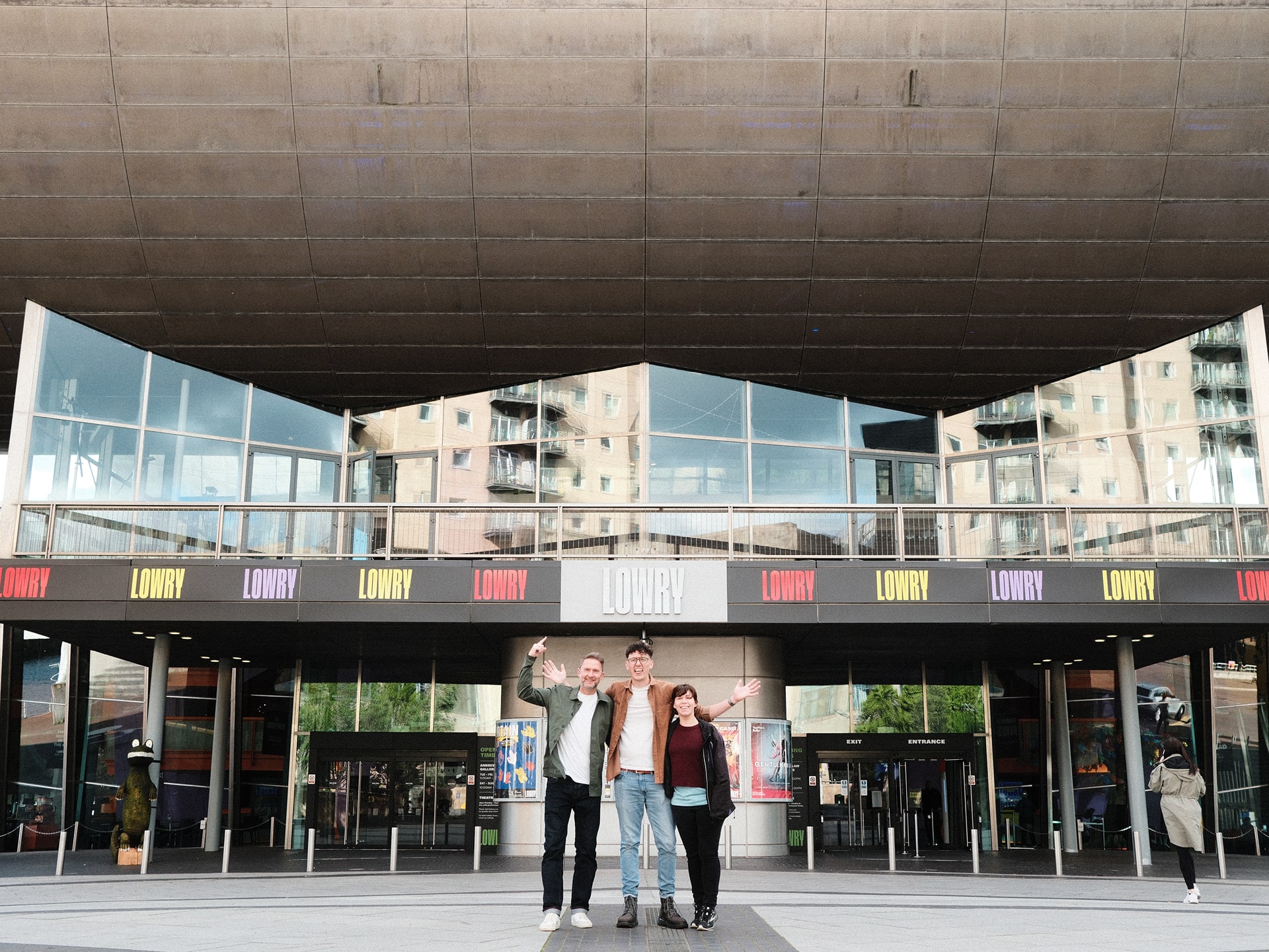
But standing outside Lowry, arms thrown wide, staring up at the building that almost became a car park, we felt something else too. Something that might just be called readiness.
The venue that nearly wasn't
Lowry sits at the heart of Salford Quays: a bold, angular building that commands the waterfront with the quiet confidence of something that knows it belongs there. It very nearly didn't exist at all.
Julia Fawcett OBE, Lowry's CEO, opened CultureLab UK with a talk about exactly that: the history of the building, the vision behind it, and the long, uncertain road from a derelict industrial site to one of the UK's most beloved arts venues.
The site was earmarked for a car park. Fortunately, a different kind of ambition won out. The result is a place that has made meaningful, lasting contributions to its community and to the wider cultural landscape.
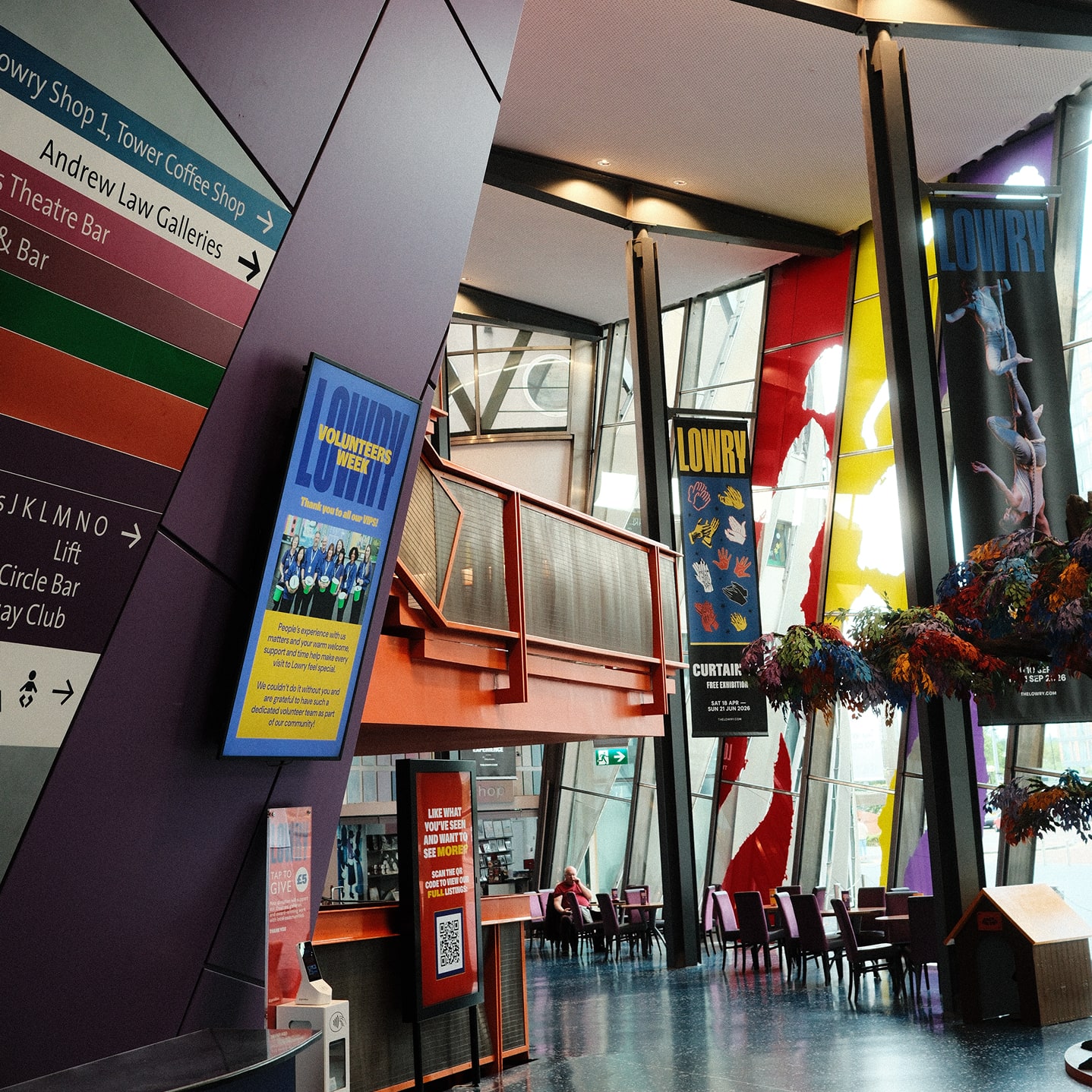
It was a perfect opening for a day built around risk and experimentation. Because if Lowry teaches us anything, it's that the greatest risks are often the ones most worth taking. Julia spoke with the warmth and authority of someone who has lived that truth. And her words settled gently over the room, helping everyone relax into what lay ahead.
The sessions
Julia Fawcett OBE — Lowry: A risk worth taking
Julia's opening talk was warm, grounded and genuinely moving. The story of Lowry is, at its core, a story about what happens when people refuse to accept a lesser version of what a place could be. For a day themed around experimentation and risk, it was the ideal frame. She reminded everyone in the room, without ever saying so explicitly, why the work we do in arts and culture actually matters.

Chris Unitt — Making sense of data without the dread
If data ever felt intimidating to you, One Further's Chris Unitt gave us a session that went a long way to fixing that. His approach was clear and practical: rather than drowning the room in frameworks and dashboards, he helped us understand how to categorise data in a way that makes it usable. What should you be spending your time on, and what shouldn't you? Who is the data actually for? These are deceptively simple questions. Chris made them feel answerable.
He took something that many organisations find paralysing and made it feel like something you could tackle on a Monday morning.
Jay Walton — An honest account of experimentation
Jay Walton from HOME delivered perhaps the most talked-about session of the day.
His account of risk and experimentation was so candid, so carefully delivered and so free of the usual professional self-preservation that it stopped the room. He shared what had worked and what hadn't. Not in the careful, caveated way people often do when speaking on a stage, but with a genuine willingness to sit in the discomfort of honest reflection. Some of the best storytelling of the day.
Risk and experimentation can feel frightening, especially in organisations where resources are tight and the margin for error feels thin. Jay made them feel exciting and attainable. We think that may have a lasting impact on some of the people who were in the room that day.
Patrick Morsman — Technology in practice
Patrick's session took a different register from what came before: grounded, practical, and rooted in a real case study of how Tixly plays a critical role for cultural organisations of all shapes and sizes. Not just the large, well-resourced ones. He showed how the right digital infrastructure can empower a small team just as effectively as it can scale for a major institution, and how the integrations that hold a venue's digital ecosystem together are far more strategically important than they might appear on paper.
The panel — The value of digital
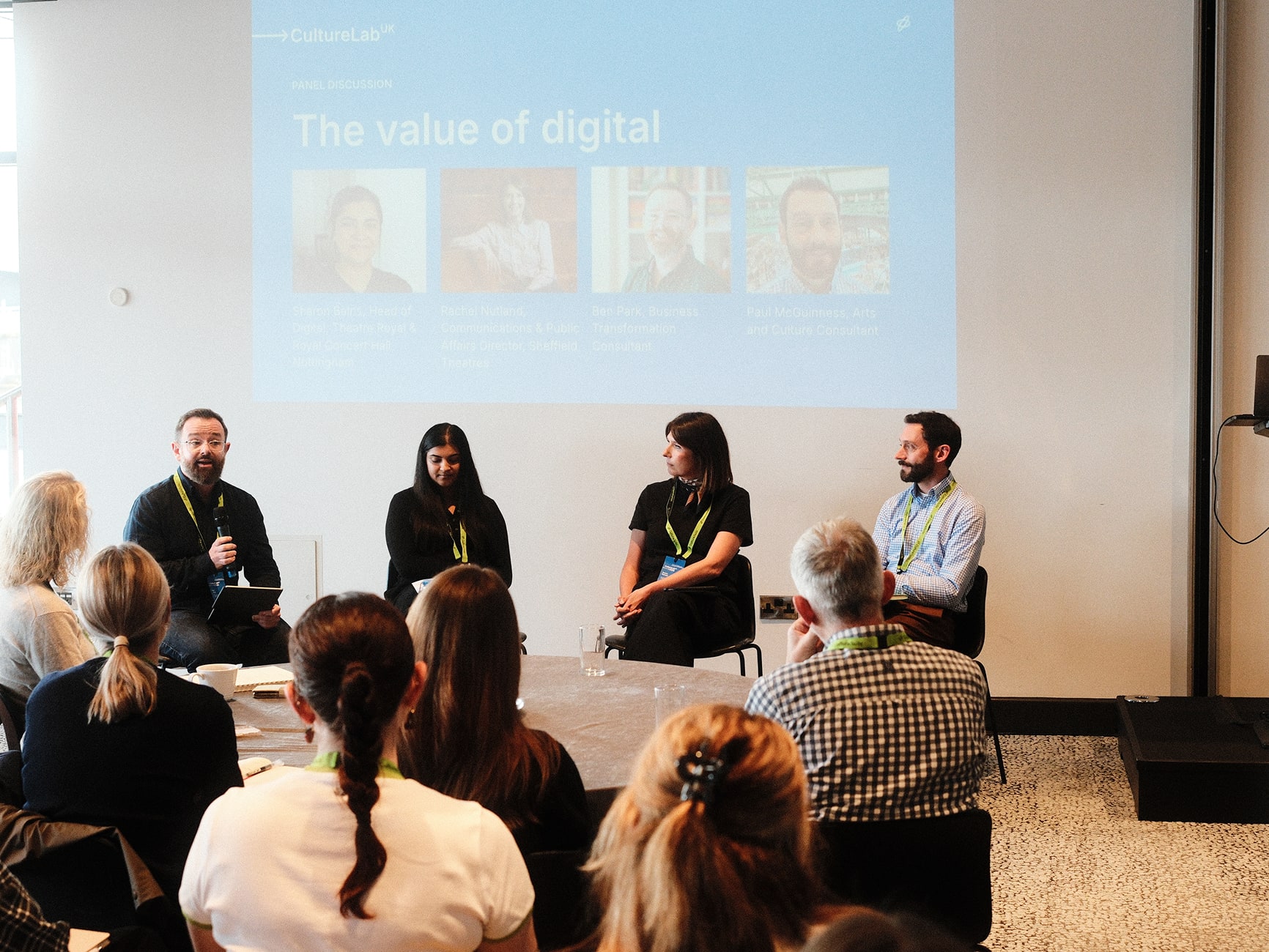
Ben Park, Sharon Bains, Rachel Nutland and Paul McGuinness closed out the formal programme with a panel discussion that felt like an honest conversation you'd stumbled into at just the right moment.
Ben moderated with the kind of easy authority that makes everyone around him look good. He also, at one memorably well-timed moment, introduced his partner's passion as a cheesemonger into the proceedings. It gave the room a perfectly timed, laugh-laced exhale before the conversation returned to the rather more pressing matter of why digital matters and how to make it work harder for cultural organisations.
Sharon, Rachel and Paul navigated challenges that will have felt familiar to almost everyone in the room: the structural pressures, the budget constraints, the internal conversations that are hard to have. They did so with generosity and a refreshing lack of performance. The panel had a fly-on-the-wall quality to it. Not because people were unguarded, but because they were present, open and honest.
What made it work
Coen van der Poll, our CEO, had asked everyone at the start of the day to be open. To "show our buttocks," as he put it!
It was, in retrospect, a reasonable thing to ask. This was a day about risk and experimentation. Asking people to be open about those things is itself a risk. Not everyone responds well to that kind of invitation. But they did.
We think Jay's session had a great deal to do with that. When someone on a stage demonstrates genuine vulnerability, it gives everyone else in the room permission to do the same. The conversation never felt guarded after that. People asked real questions. They shared real frustrations. They wrote things in their notebooks with the purposeful urgency of someone who has just heard exactly what they needed to hear.
The food, the space and the people who made it run
None of this happens without the right environment and the right people supporting it.
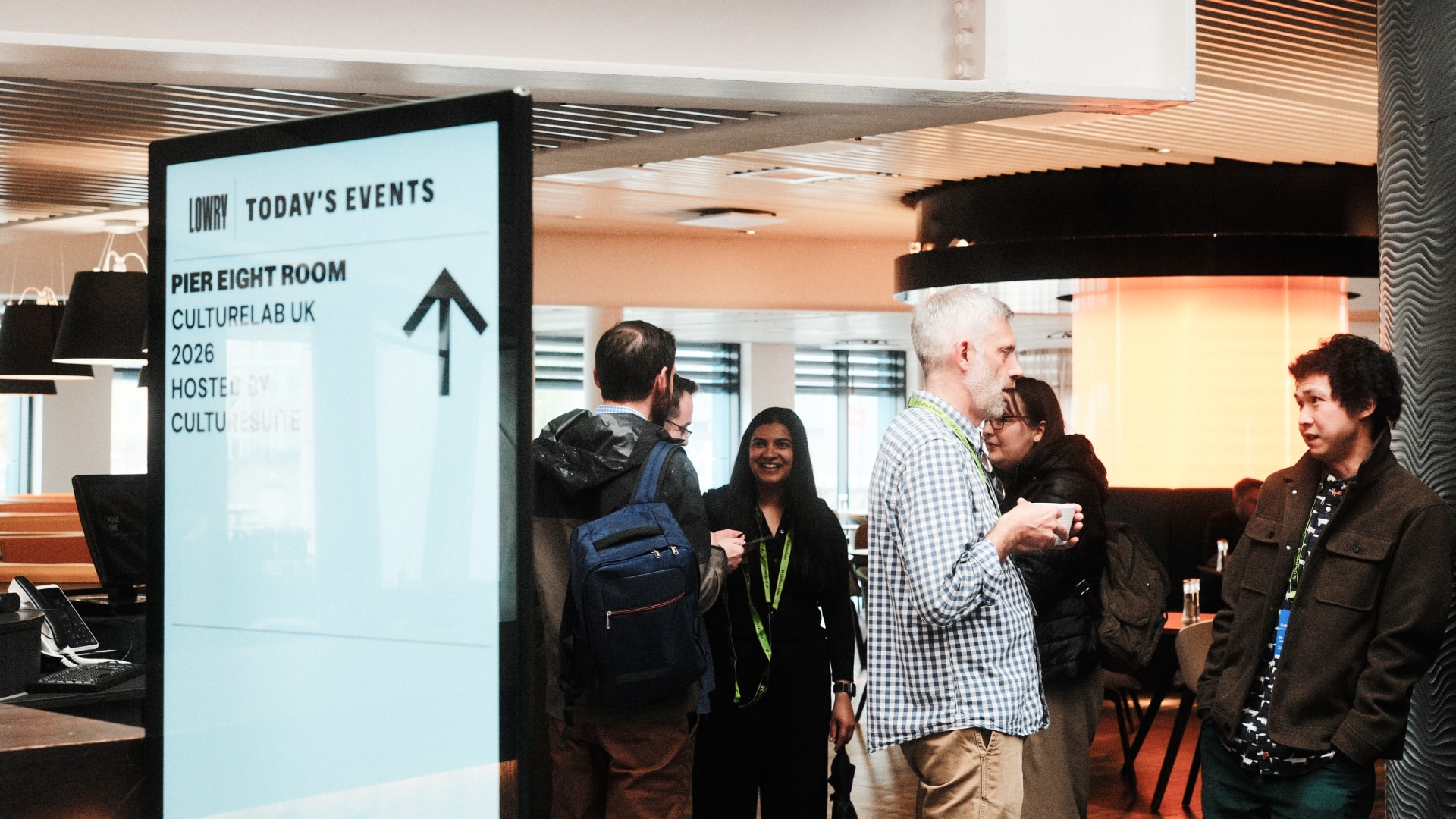
Pier Eight is a beautiful space that sits on the water’s edge at Lowry. Floor-to-ceiling windows, warm light, the kind of room that makes arrivals feel like arrivals: unhurried, convivial, with just enough energy buzzing through the morning to know something good is about to happen. The catering team deserves a special mention: the food was, frankly, exceptional, and did a great deal for the general goodwill of the room.
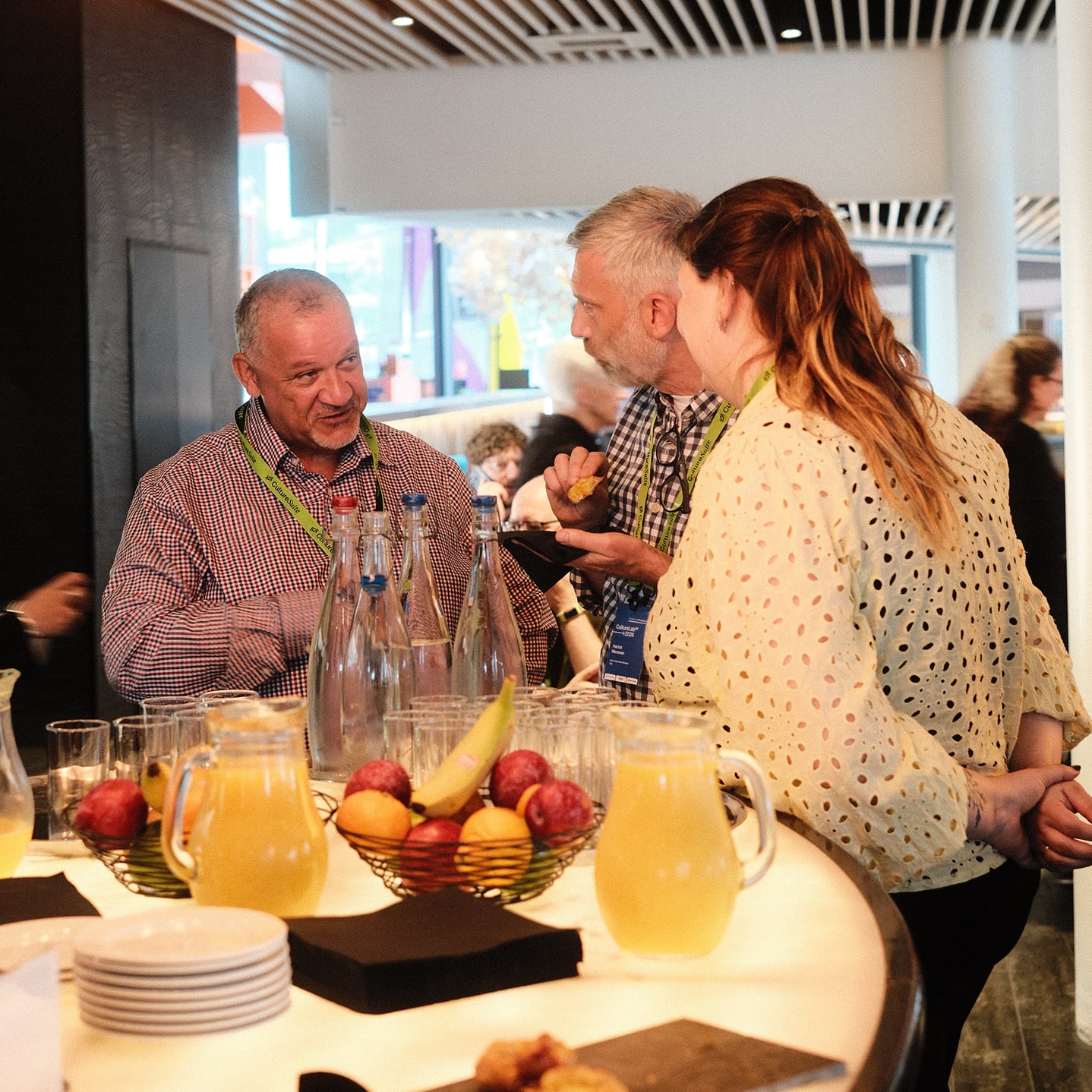
To Tasha Enston, Rachel Miller, George, Tom and the rest of the Lowry team — thank you. You were generous, professional and made the day run with a smoothness that only looks effortless when a lot of care has gone into it.
Thank you
Events like this are collaborative in ways that aren't always visible on the day.
To our sponsors – One Further, Tixly and MarketHype – thank you for making CultureLab UK possible.
To Future Arts Centres – thank you for your generous bursary partnership, which helped us open the doors wider and bring more of the sector into the room.
To the speakers and panellists – Julia Fawcett OBE, Chris Unitt, Jay Walton, Patrick Morsman, Ben Park, Sharon Bains, Rachel Nutland and Paul McGuinness – we are more grateful than these words probably suggest. We spent significant time with many of you during the planning phase, and that collaboration – the care you each brought to making your sessions genuinely useful to the sector, often well before the day itself – is something we won't forget. Thank you for working so hard with us.
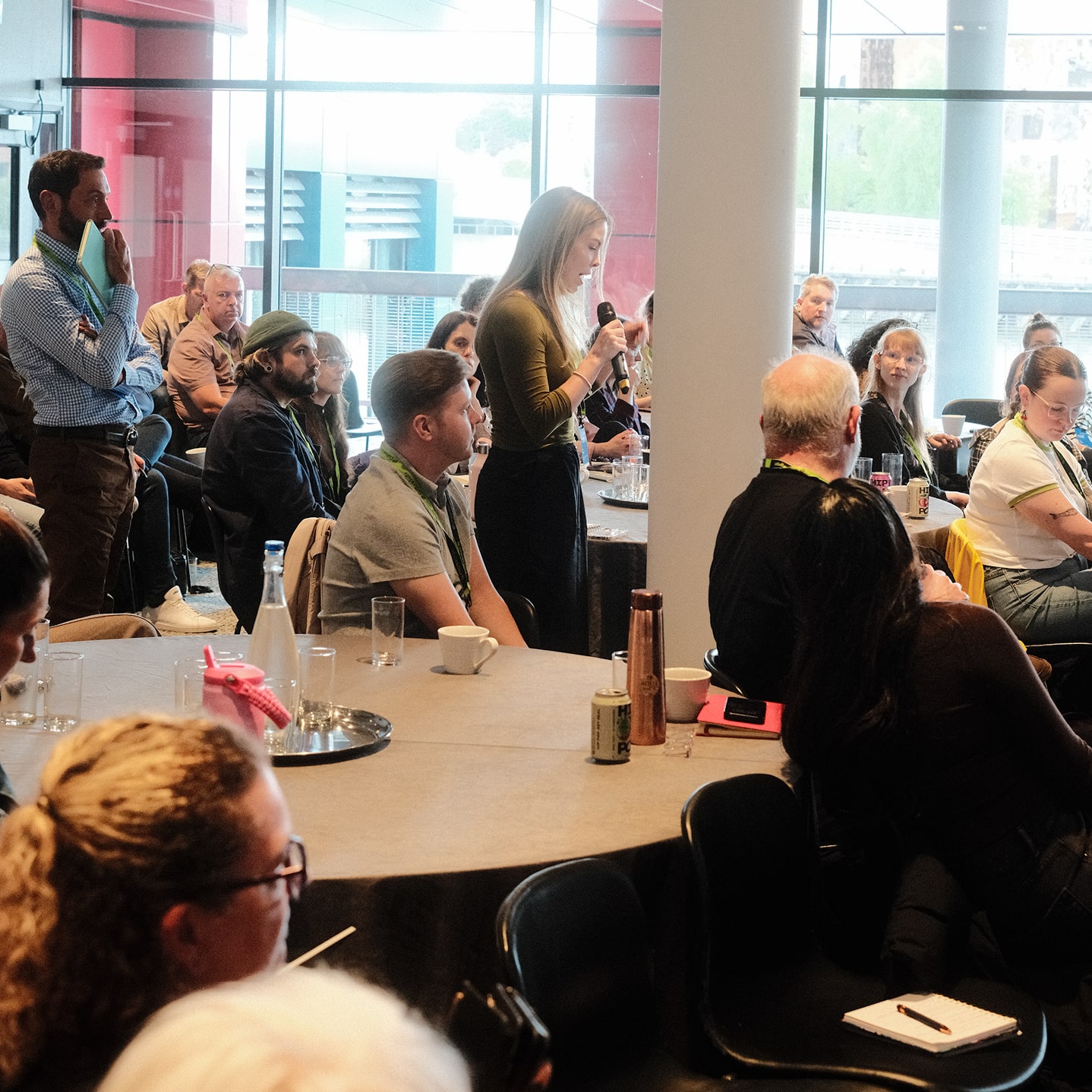
And finally, to everyone who attended: thank you. For making the journey. For bringing the warmth that the sector does so well. For caring about each other and about the challenges you face at your respective organisations. For being open when asked.
In truth, we feel an enormous privilege to be able to bring so many cultural professionals together in a room and offer something you can take back to your organisations. It is not something we take for granted.
Next stop: Amsterdam
We learned a great deal from CultureLab UK. There is more to do and more to improve. And in October, those improvements will be in place when CultureLab comes to Amsterdam at Tolhuistuin, on 27 October 2026.
We hope it turns out just as well. We hope to see you there.


