
Cultural organisations aren't short of digital ambition. What they're missing is the internal capability, agile working processes and confidence to make change last beyond the project that started it. That gap has been there for years.
There is a particular kind of exhaustion that has settled into the cultural sector's relationship with digital change. Two decades of transformation projects. Roadmaps commissioned and shelved. Technology sold as solutions, implemented with urgency, then quietly outgrown. And throughout all of it, a nagging sense that something structural has never really shifted.
Most digital projects solve the wrong problem, or start from the wrong question. They treat digital change as a series of discrete initiatives: get a new website, implement a CRM or run a digital strategy process. Often carried out with and by external parties.
But to be truly effective, digital and agile processes need to live inside the organisation permanently. In the way people work. In the way teams collaborate, make decisions and adapt. Whether that project lives in the physical or digital world. Otherwise, when the project ends, the dependency stays.
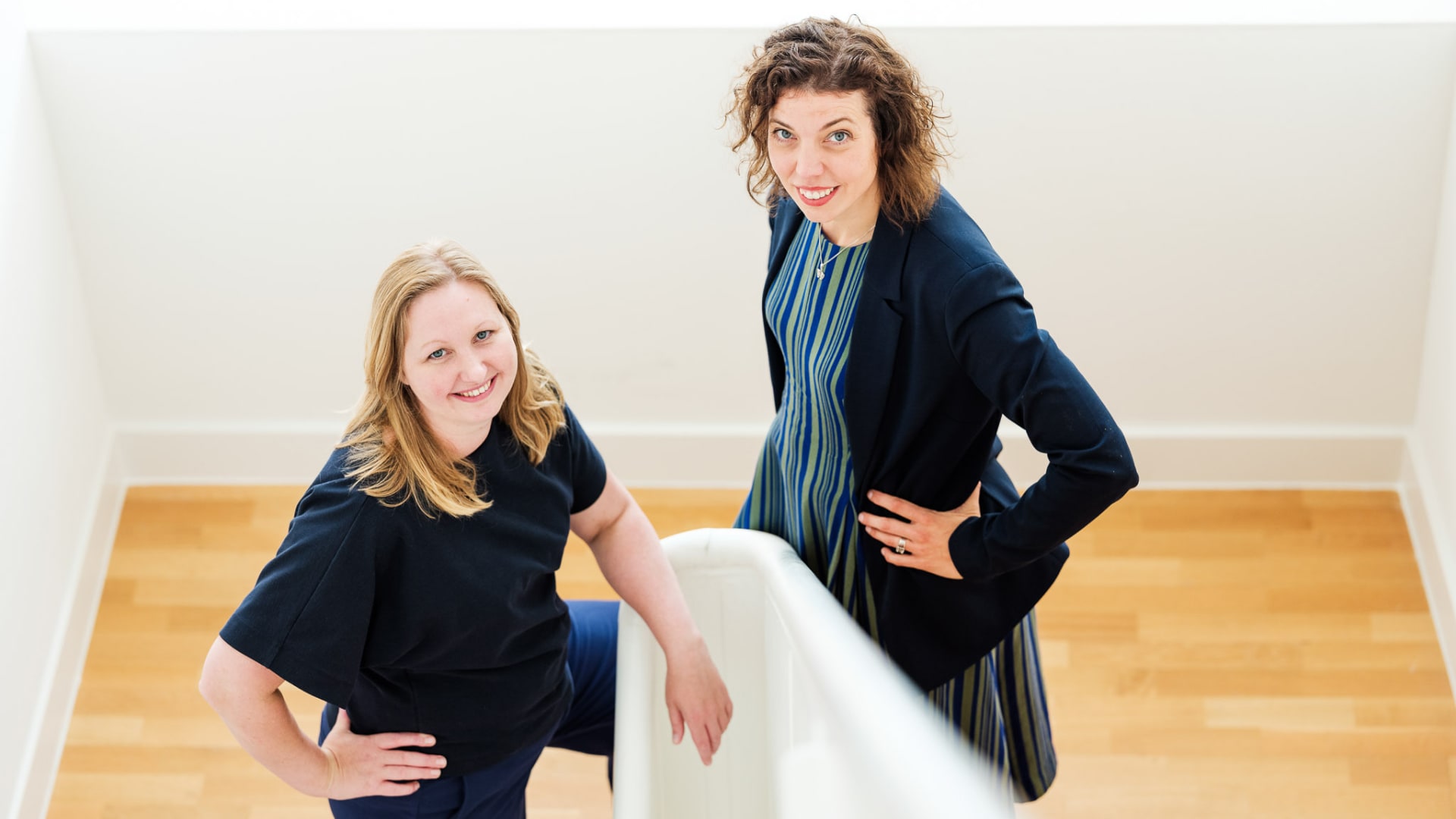
Tò Mò, founded by Linda Thoen and Tanja Zuijderwijk, is trying to close that gap from the inside out.
Who are Tò Mò?
Tò Mò is a Netherlands-based practice focused on empowering cultural organisations to become more agile and therefore more digitally capable from the inside out. The name means "curious" in Vietnamese, which reflects how Linda and Tanja approach their work. Their stated mission is "sharing knowledge and shaping new ways of working," and they bring more than 30 years of combined sector experience between them.
Tanja has an award-winning background as a digital producer, including a driving role behind Cultuurloket DigitALL. Linda has worked across both cultural organisations and digital start- and scale-ups. They are cultural sector professionals who have built deep digital fluency and want to transfer it.
The problem they're actually solving
Tò Mò's central argument is straightforward: most (digital) challenges in the cultural sector are not primarily tooling problems. They are mindset, process, capability and operating model problems.
Cultural organisations often respond to digital pressure by launching projects – commissioning agencies, implementing platforms, running audits – without addressing the internal conditions that determine whether any of that work sticks.
Often the problem starts earlier than the project itself. When an organisation's mission is written for funders rather than for the teams who deliver it, the goals that follow are unclear or unshared. Teams work in silos. Digital knowledge concentrates in a few individuals and never transfers. When the project finishes, the same structural problems remain.
Tò Mò works on those conditions directly. Their approach rests on three operating principles: clear goals, transparency around activities, and autonomy over one's own work. These are practical starting points for helping organisations move faster, collaborate better and build real digital confidence over time.
What they actually do
Their work spans three broad areas: guidance on digitisation projects including websites, CRM, linked open data, workflow automation and digital strategy; process optimisation rooted in an organisation's mission and vision; and developing entrepreneurial skills, including partnership and revenue thinking that serves artistic purpose rather than undermining it.
That last point is worth dwelling on. Tò Mò are not asking cultural organisations to become more commercial in ways that compromise their identity. They are arguing that resilience, agility and entrepreneurial thinking can – and should – serve artistic values. That commercial sustainability and mission are not in tension.
Their approach is also deliberately tailored. Every engagement begins by zooming out from the immediate project to understand the wider organisational context. That broader view is what makes their work land differently from a conventional project brief.
Why they stand out
What makes Tò Mò worth paying attention to is not only what they do, but what they believe.
They do not see digital strategy as a document or a procurement exercise. They see it as an ongoing organisational practice. "Agility isn't a strategy," says Linda Thoen. "It's a mindset, a way of being rooted in purpose, while moving freely through change."
Their writing makes this argument clear. In their article From Stumbling to Steering, they make the case that real change comes from within, not from importing ready-made frameworks. Digital capability, in their view, is inseparable from organisational adaptability, resilience and better collaboration.
They are also, notably, not trying to make organisations dependent on them. Their educator instinct runs through everything: training, events, published thinking, sector-facing content on topics from agile methods to AI in the arts. They are trying to raise the sector's digital confidence as a whole, not only improve the circumstances of individual clients. Their recent cultural-edition Professional Scrum Master training is a good example. It’s the kind of work that benefits the sector whether or not you ever hire them directly.
There is something else worth naming about their stance on technology. Tò Mò are not anti-tech. They believe strongly in SaaS and digital tools. What they resist is the assumption that technology alone resolves the underlying challenge. They would rather help an organisation build the judgement to make good technology decisions than prescribe a preferred stack.
They do not see digital strategy as a document or a procurement exercise. They see it as an ongoing organisational practice. Every engagement begins by zooming out from the immediate project to understand the wider organisational context. That broader view is what makes their work land differently from a conventional project brief.
Why I'm writing about them
At CultureSuite, we share a lot of Tò Mò's instincts. We believe the cultural sector deserves digital infrastructure that grows with it – not tools that create new dependencies. We believe in building for the long term. And we think organisations should be genuinely empowered by the partners and platforms they work with.
I’ll be following Tò Mò's work with learned interest, and I know our Community will find a lot to think about in what they are building. We are excited about what we can explore together, and we’re excited to share more on that front in the coming weeks.
In the meantime, if you are not already familiar with their work, it is well worth starting at Tò Mò. The way they talk about digital really is a breath of fresh air.


